Acts of Data: Armors
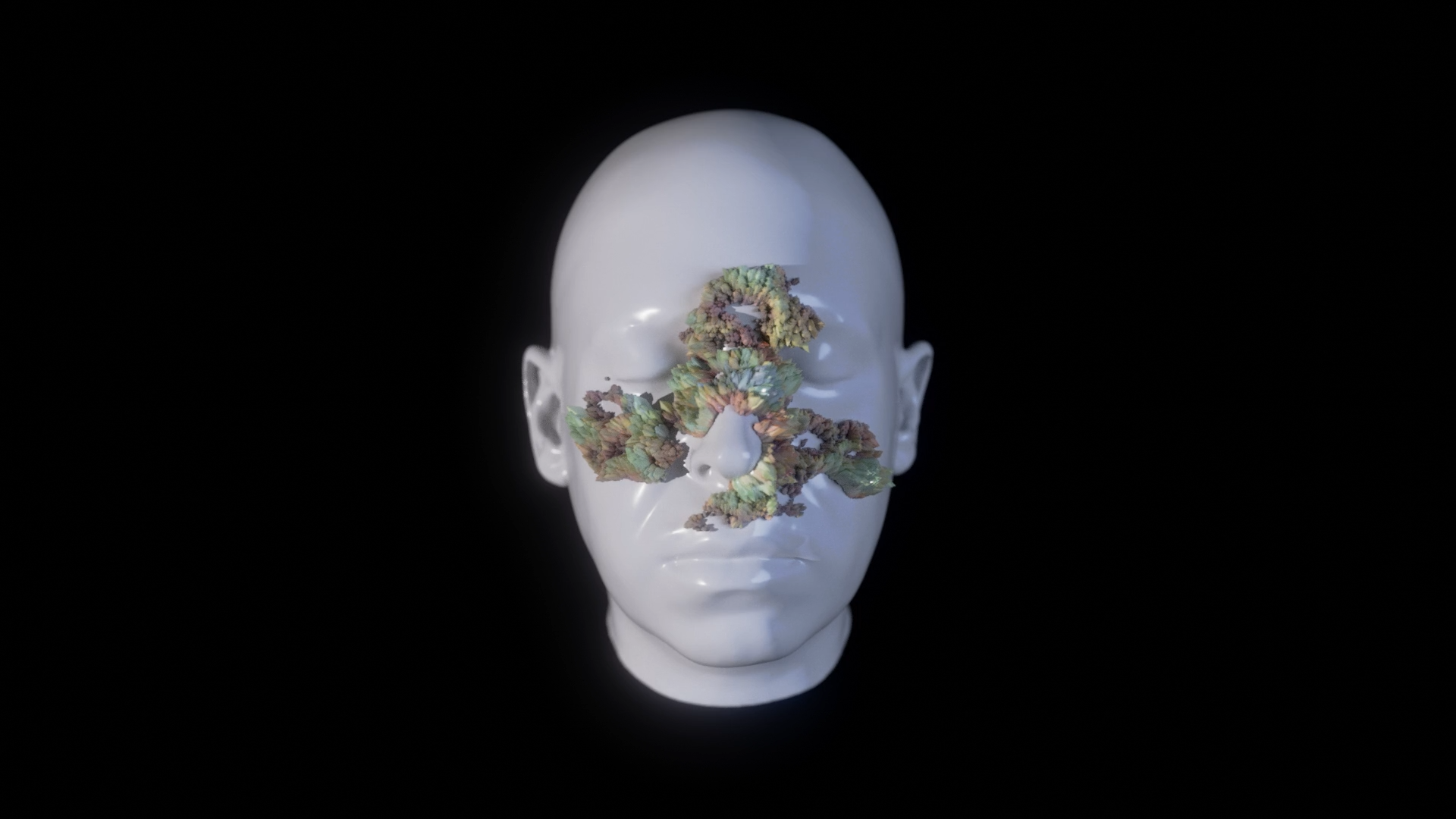
In the project Armors, I explore the impact of environmental sound on the human body. Using 3D scanning and machine learning, I created sculptural representations, metaphorical armors that reflect the sound-scapes I am exposed to in my daily life. With Armors I’m examining in greater depth how sound and the constant stressors of contemporary life, such as mobile phones, noise pollution, information overload, and continuous auditory stimuli, affect our mental and physical state.
In recent years, through my work as an artist engaged with sound and instrument design, I have become increasingly aware of how states of exhaustion or overstimulation heighten my sensitivity to the harsh sounds of urban life. This awareness has led me to extensive researchinto sound sensitivity and its effects on our daily lives.
It is prooven that prolonged exposure to diverse sonic and cognitive stimuli triggers physiological responses in the body, leading to the release of stress hormones, an accelerated heart rate, and muscular tension. Over time, these micro-stressors, produced by the modern urban environment and the culture of constant availability, overwhelm the nervous system and reduce the body’s capacity for regeneration. The brain adapts by becoming more reactive, which results in chronic tension, fatigue, and cognitive exhaustion. Sound stimuli thus cease to function merely as background and instead become a continuous signal that shapes our physiology, emotional responsiveness, and sense of vulnerability in the contemporary world. With Armors, I seek to create a speculative protective layer to avoid such scenarios.
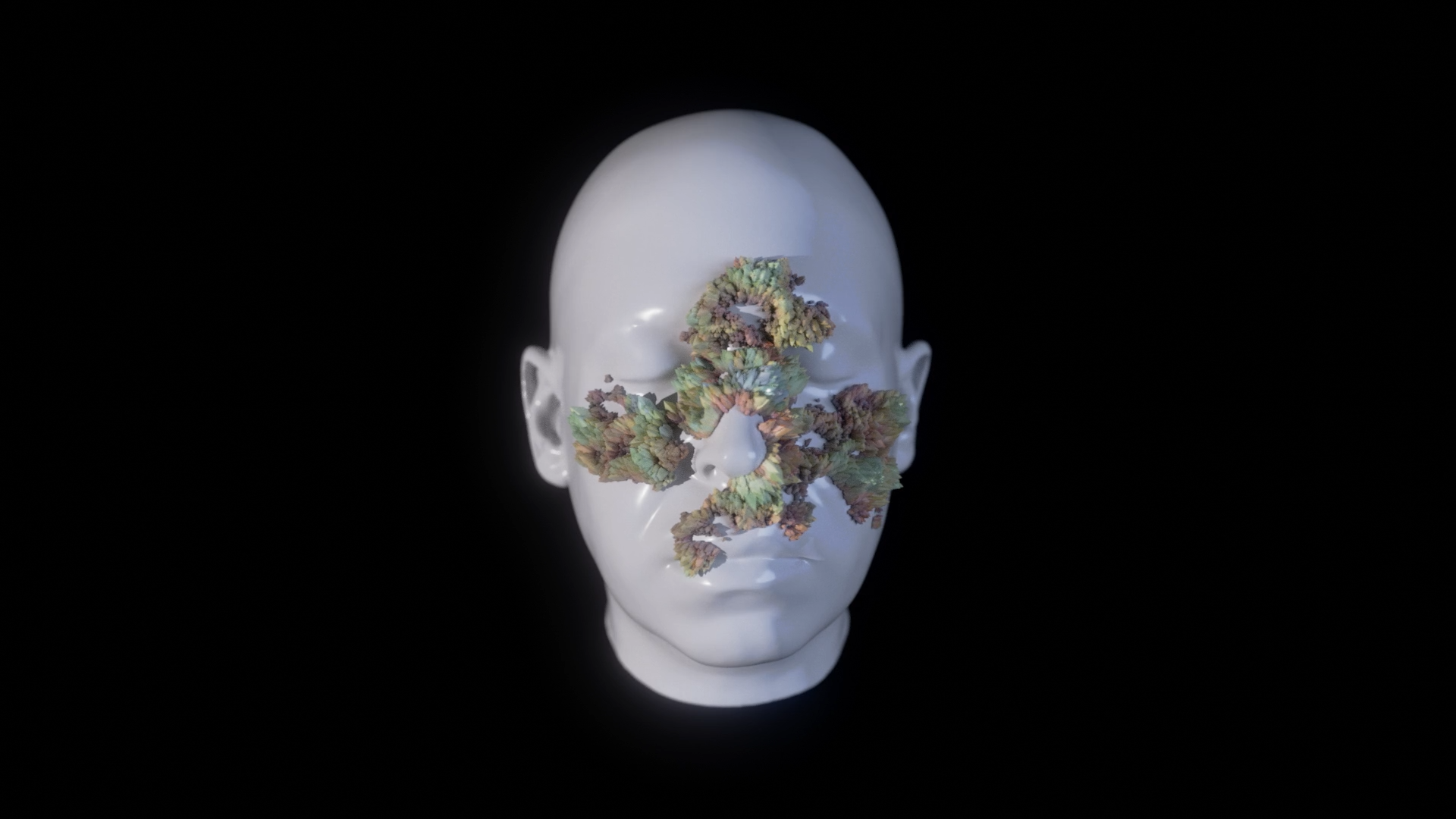
I began the process with detailed 3D scans of my face. I recorded a full day of sounds from my daily life using field recording equipment. These recordings were analyzed with machine learning to extract characteristics such as volume and frequency. Using this data, I then fed a generative growth algorithm that proliferates as a formation across a 3D-scanned model of my face. Custom-built growth algorithms gradually generated anomalies, transforming the structure and surface of my features over time. The parameter of sound volume affects the speed of the formation’s growth; the frequency range most disturbing to humans (2–5 kHz) modulates finer abrasions and protrusions on the model, while the inaudible frequency spectrum alters its colour. The resulting sculptural forms, part mask, part armor, embody these environmental imprints. Softer sound-scapes yield more delicate deformations, while harsher ones result in thicker, more aggressive protective layers.
Inspired by historical combat armor, from medieval knights to samurai, designed to protect both the body and spirit during battle, I draw a parallel between the need for physical protection and the emotional resilience required in contemporary sound-filled environments. In this sense, stress-filled urban and technological soundscapes are treated as a contemporary battlefield, where resilience must be continually negotiated rather than assumed. Ultimately, with Armors I invite reflection on adaptation, vulnerability, and the hidden effects of our acoustic world.
I utilized the latest full colour resin 3D printing technique to visualize the colour distortion, reflecting the intensity of the applied sounds. The sculptures are accompanied by narrated video work in which text and animation trace the growth of these structures as they respond to sound.
Acknowledgments:
3D & animation: Blaž Miklavčič | Machine learning: Benjamin Fele | Text: Urška Spitzer in collaboration with the artist
The project Acts of Data: Armors was co-funded by the Ministry of Culture of the Republic of Slovenia and The Municipality Of Ljubljana